
Making your home cleaner, safer, and more affordable through electrification
As homeowners, we're increasingly aware of our environmental impact and rising energy costs. The good news? There's a powerful solution that can address both concerns while making your home safer and more comfortable: home electrification.
Home electrification means powering all your major systems with electricity rather than burning fossil fuels. According to Natural Resources Canada, buildings are Canada's third-largest source of greenhouse gas emissions, with much of this coming from using natural gas, oil, and propane for heating and hot water. But here's the exciting part, modern electric alternatives have advanced dramatically, offering superior performance while reducing your environmental footprint.
Why Electrify Your Home?
Health and Safety Benefits
Electric appliances eliminate the health risks associated with burning fossil fuels. No more carbon monoxide concerns, and switching from a gas stove dramatically improves indoor air quality, reducing the risk of respiratory illnesses.
Better Performance
Modern heat pumps can keep your home more comfortable than traditional furnaces. Electric equipment is also significantly quieter, your neighbors will thank you when you switch from gas powered yard equipment to electric alternatives.
Potential Cost Savings
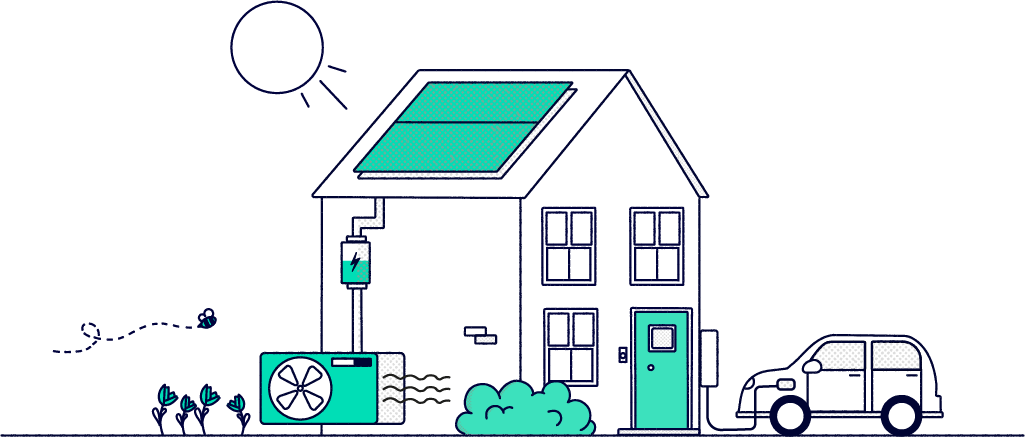
While electric equipment often costs more upfront, it typically saves money over its lifetime due to higher efficiency. Heat pumps can be 200-500% efficient, meaning they move much more heat energy than the electrical energy they consume. Electrical vehicles (EVs) have lower maintenance costs compared to both diesel and gasoline cars. As more homes disconnect from natural gas systems, gas prices will rise as infrastructure costs are spread among fewer customers.
Additionally, the Canada Greener Homes Loan and the Home Renovation Savings Program offer incentives and rebates for electrical systems such as heat pumps, photovoltaic solar systems, and electric water heaters. Check each program for eligible retrofits and requirements.
Where to Start Your Electrification Journey
Image source: Rightmove |
 |
Smart Planning Strategies
Planning ahead is crucial. Most homes with 100 Amp electrical panels won't need upgrades for basic electrification. You can minimize costs by:
- Replacing equipment at end-of-life rather than prematurely
- Improving insulation and air sealing to reduce heating system size requirements
- Choosing efficient appliances that use less electrical capacity
- Getting multiple quotes and exploring available incentives
Overcoming Common Concerns
What about power outages?
Many gas appliances also don't work during outages for safety reasons. Electric vehicles, home batteries, and backup generators can provide resilience, and these systems are becoming more affordable and accessible.
Will the electrical grid handle it?
Utilities are already planning for electrification. Heat pumps are more efficient than the systems they replace, and tools like thermal storage, smart panels, and time-of-use pricing help manage demand.
Higher upfront costs
While the upfront costs of electric appliances can be higher than their gas counterparts, the long-term savings on energy bills and maintenance often offset the initial investment. Many electric systems also qualify for government rebates and incentives that can significantly reduce purchase and installation costs, check the Canada Greener Homes Loan and the Home Renovation Savings Program.
Taking Action Through Greener Homes London
Every homeowner can take steps toward electrification, regardless of budget constraints. Start by inventorying your current fuel-burning equipment, noting age and condition. Consider getting a home energy audit to identify the most effective improvements.
Ready to begin your electrification journey? Greener Homes London is here to support you with resources, guidance, and connections to qualified installers who understand the latest electric technologies.
For detailed technical information and specific equipment recommendations, consult Canada's Home Electrification Toolkit by the Building Decarbonization Alliance.
